Rubicca: A Premium Sans Serif Font for Business Branding
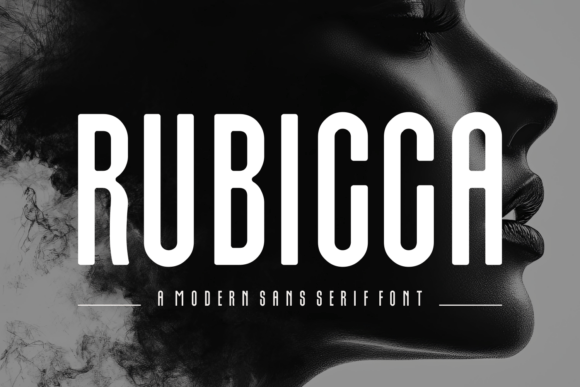
Rubicca is more than just a font — it's a versatile sans serif typeface designed to elevate your brand’s visual identity. As a small business owner or entrepreneur, I know how important it is to present a consistent, professional image across every customer touchpoint. Whether you're designing packaging, crafting social media posts, or printing product labels, Rubicca brings a refined elegance that helps your brand stand out while staying authentic and approachable.
Rubicca for Logo Design and Brand Identity
When building a brand from the ground up, your logo is often the first impression customers have. Rubicca works beautifully as a display font in logo design, especially for boutique brands, wellness businesses, and lifestyle services. Its clean lines and modern curves give off a sense of sophistication without feeling overly formal. I used Rubicca in my own coaching brand’s logo and saw an immediate uptick in how clients perceived my professionalism. It pairs well with minimalist design elements, making it ideal for brands that want to feel both trustworthy and contemporary.
Rubicca for Product Labels and Packaging Design
If you sell physical products — whether it’s handmade candles, artisanal coffee, or skincare items — your packaging needs to communicate quality and clarity. Rubicca’s sans serif structure ensures readability even at small sizes, which is crucial for product labels. I’ve used it on custom candle labels and found that it gave the packaging a boutique-level finish without sacrificing legibility. The font’s balanced proportions make it ideal for both printed boxes and digital mockups, helping your product look polished across online and offline platforms.
Rubicca for Social Media Graphics and Website Banners
In today’s digital-first world, your brand’s presence on Instagram, Pinterest, and your website needs to feel cohesive. Rubicca shines as a headline or accent font in web banners and social media templates. I switched to Rubicca for my Shopify store’s hero banners and noticed a more streamlined look across my homepage and product pages. It also works well in carousel posts and Instagram Stories, where clarity and visual harmony are key. Since it’s a premium font, it’s not overused, which helps your content feel more unique and tailored to your audience.
Rubicca for Business Cards and Printed Marketing Materials
Even in a digital age, business cards and flyers still matter — especially for local businesses like cafés, salons, and retail boutiques. Rubicca adds a subtle sophistication to printed materials without being too flashy. I printed my business cards using Rubicca for both the company name and tagline, and it created a clean, memorable impression. The font’s versatility allows it to work as both a headline and supporting typeface, so you can maintain visual consistency across your business cards, flyers, and thank-you notes.
Rubicca as a Display Font in Marketing Campaigns
For promotional materials like posters, email headers, and digital ads, Rubicca functions well as a display font. Its modern, slightly stylized appearance makes it ideal for headlines that need to grab attention without overwhelming the reader. When launching a new service or seasonal promotion, I use Rubicca in bold for the main headline and pair it with a simpler sans serif for body text. This creates a visual hierarchy that guides the reader’s eye naturally while reinforcing brand recognition.
Pairing Rubicca with Other Fonts for Balanced Typography
One of the strengths of Rubicca is how easily it pairs with other typefaces. For a clean, modern look, try pairing it with a neutral sans serif like Helvetica or Arial for body copy. If you want more contrast, a classic serif font like Georgia or Times New Roman can create a refined, editorial feel — especially for print materials or blog headers. I’ve found that using Rubicca as a headline font with a simple script font for accents (like on packaging or social media quotes) adds personality without clutter.
Rubicca for Digital Ads and E-commerce Branding
If you run Facebook or Google ads, your font choice affects how your brand is perceived in a split second. Rubicca’s clean, modern look helps your message feel trustworthy and premium. I’ve used it in ad headlines and saw better engagement compared to more generic fonts. For e-commerce stores, consistency is key — using Rubicca across your product descriptions, banners, and email footers reinforces your brand identity and makes your online shop feel more polished and intentional.
Readability and Real-World Use of Rubicca
One of the biggest concerns when choosing a font is readability — especially on mobile screens, small labels, or printed materials. Rubicca strikes a good balance between style and clarity. I tested it on mobile thumbnails and found that it remained legible even at reduced sizes. That makes it a great choice for social media post titles, app buttons, and website navigation menus. For packaging, I recommend using Rubicca at 10pt or larger to ensure it’s easy to read in both print and digital mockups.
How to Test Rubicca Before Full Brand Adoption
Before committing to Rubicca across your entire brand, it’s smart to test it in a few key areas. Most font marketplaces offer a preview tool where you can input your business name, tagline, or product description to see how it looks. I recommend downloading a sample and applying it to a mockup of your packaging, a redesigned business card, or a few social media templates. If you’re unsure about pairing it with other fonts, try a few combinations in a design tool like Canva or Adobe Illustrator to see what feels most aligned with your brand voice.
Licensing Considerations for Commercial Use of Rubicca
When using Rubicca for your business, always check the font’s licensing terms. Most premium fonts require a commercial license if you’re using them on product packaging, marketing materials, or client-facing templates. If you're creating merchandise or digital downloads for sale, you’ll want to confirm whether the license covers those use cases. I always double-check this before using any font beyond personal projects — it’s a small step that can prevent legal issues down the line.