Ophelina: A Sophisticated Font Pairing for Elegant Web Design
Ophelina for Fashion Branding and High-End Digital Identity
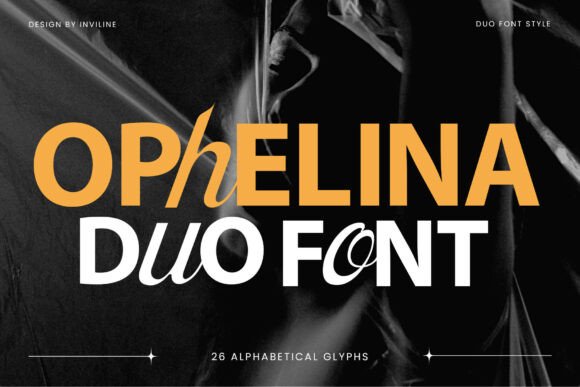
Ophelina is a refined font combination that blends a modern serif with a clean sans-serif, making it a standout choice for fashion branding and high-end digital experiences. As a web designer, I’ve found that Ophelina brings a level of sophistication and clarity that’s hard to achieve with generic font pairings. The serif component adds a touch of classic elegance, while the sans-serif ensures readability and modernity—perfect for luxury brands looking to establish a strong online presence.
When used in brand-focused web experiences, Ophelina helps create a cohesive visual language. Whether it’s for a boutique fashion label or a high-end editorial site, this font duo supports a clean, professional aesthetic that aligns with premium brand values. Its versatility allows for seamless transitions between headings, subheaders, and body copy, maintaining visual harmony across different screen sizes.
Ophelina for Wedding Invitations and Elegant Branding
While Ophelina is ideal for fashion and editorial design, it also shines in more personal, emotionally resonant projects like wedding invitations. The serif style lends a romantic, timeless quality, while the sans-serif provides a contemporary counterbalance. For digital wedding suites or invitation landing pages, Ophelina ensures that typography enhances the emotional tone without sacrificing legibility.
Designers working on event-based websites or boutique wedding planning agencies can leverage Ophelina to create branded digital assets that feel both luxurious and accessible. Its dual nature makes it ideal for pairing with minimalist layouts, elegant color palettes, and high-quality imagery—key ingredients for a memorable brand experience.
Using Ophelina in Website Headers and Hero Sections
One of the strongest applications of Ophelina is in website headers and hero sections. The serif style works beautifully for large, bold headlines, drawing attention without overwhelming the layout. The sans-serif, meanwhile, serves as an excellent companion for subheadings and call-to-action text, ensuring clarity and visual flow.
In landing page design, Ophelina helps establish a clear visual hierarchy. For example, a product launch page might use the serif variant for the main headline and the sans-serif for supporting copy and buttons. This creates a natural reading path, guiding users toward key conversion points like “Buy Now” or “Learn More” CTAs.
Optimizing Readability with Ophelina on Mobile Screens
Mobile responsiveness is crucial in modern web design, and Ophelina performs exceptionally well in this area. The sans-serif component maintains legibility even at smaller sizes, making it ideal for mobile navigation menus, button labels, and form fields. The serif variant, while more decorative, scales well when used for section headers or hero titles.
For designers building responsive layouts, Ophelina offers flexibility in font weight and spacing. When optimizing for mobile, I recommend using the lighter weights of the sans-serif for body text and reserving the bolder serif styles for visual accents. This approach ensures readability while preserving the font’s elegant character.
Ophelina for Online Stores and E-commerce Branding
For boutique online stores and fashion e-commerce brands, Ophelina offers a refined alternative to overused web-safe fonts. It enhances product pages, banners, and promotional content by adding a touch of editorial polish. The serif variant can be used for product names or feature highlights, while the sans-serif supports descriptions and pricing details.
What sets Ophelina apart in e-commerce is its ability to convey both professionalism and personality. Unlike generic sans-serif fonts, it adds a sense of editorial quality to product descriptions and lifestyle content, which helps build brand trust. When paired with clean layouts and high-resolution product images, Ophelina elevates the shopping experience and reinforces brand identity.
Font Pairing Tips for Ophelina in Web Design
Although Ophelina is a font pairing in itself, there are times when additional typefaces can enhance the design further. For example, when designing a blog or editorial site, pairing Ophelina’s serif with a neutral sans-serif like Helvetica or Open Sans for body text can improve readability and contrast.
Alternatively, for a more dramatic effect, Ophelina can be combined with a minimalist monospace font for technical or creative coding-related websites. The key is to maintain visual balance—letting the serif variant serve as the focal point while using the sans-serif or other supporting fonts for functional and informational elements.
How Ophelina Enhances Visual Hierarchy and Brand Tone
Visual hierarchy is a critical component of effective web design, and Ophelina supports this by offering two distinct yet complementary styles. The serif variant naturally draws the eye, making it ideal for headlines, logos, and branding elements. The sans-serif, with its clean lines and open spacing, ensures that supporting text remains easy to scan and digest.
From a brand tone perspective, Ophelina communicates sophistication without being overly formal. It strikes a balance between traditional and modern, making it suitable for brands that want to appear both trustworthy and contemporary. Whether used in a SaaS landing page or a creative portfolio site, Ophelina helps establish a tone of professionalism and design intelligence.
Licensing and Usage Considerations for Ophelina
Before implementing Ophelina in client projects or online stores, it’s important to verify the font’s licensing terms. Most premium fonts like Ophelina come with commercial licenses that allow use in websites, digital products, and marketing materials. However, designers should always confirm that the license includes webfont delivery, multilingual support, and usage in branded assets.
Additionally, check for available font formats (WOFF, TTF, EOT) and ensure compatibility with platforms like Shopify, WordPress, and Adobe XD. Ophelina typically includes multiple weights and alternate characters, which offer flexibility for custom design work and help maintain brand consistency across different digital touchpoints.